Legends, goals, and a sea of blaugrana
Discover how Camp Nou grew from an ambitious project into a living monument to FC Barcelona and its supporters.
Table of Contents
Origins of FC Barcelona and its early grounds
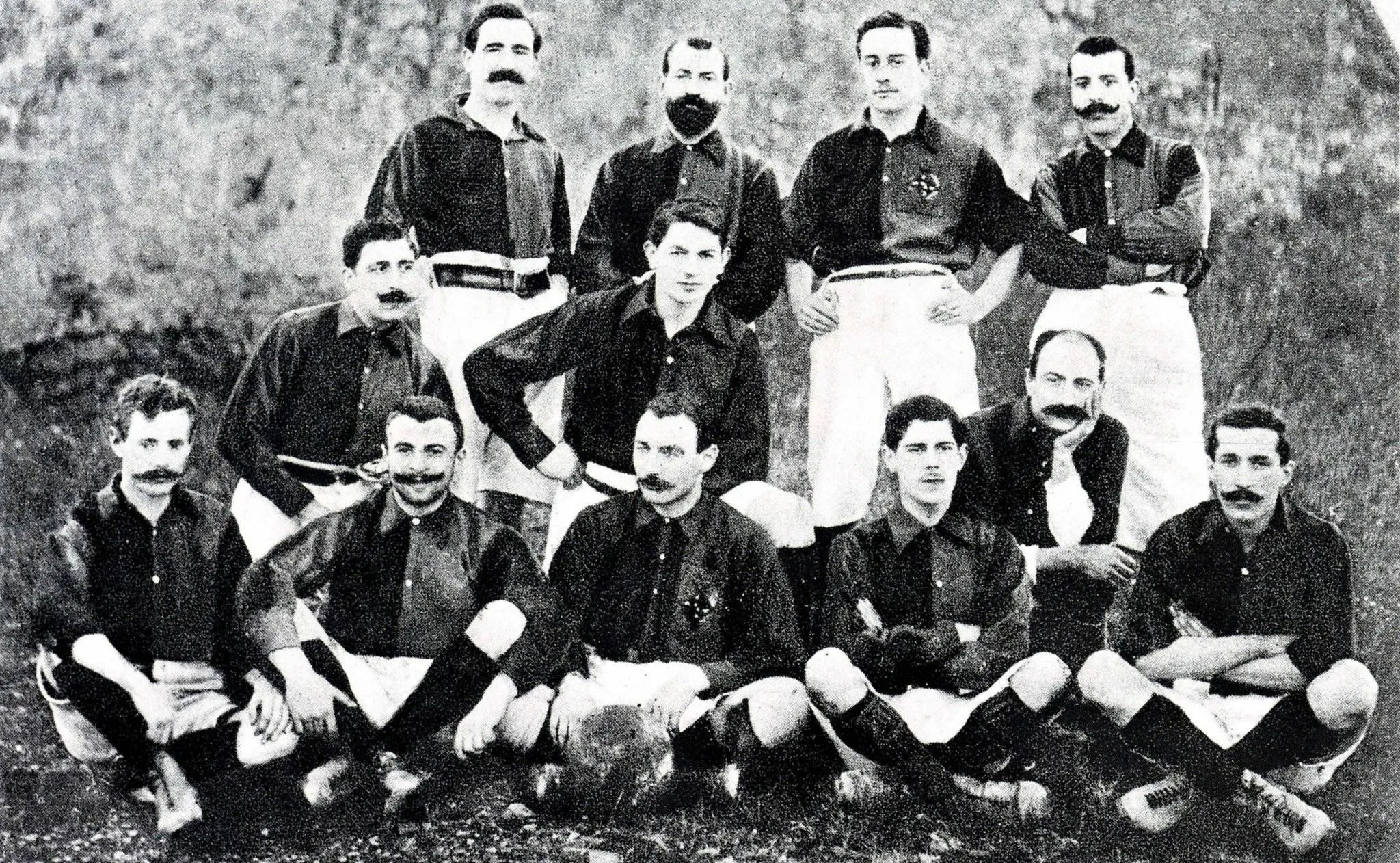
FC Barcelona was founded in 1899 by a small group of enthusiasts led by Joan Gamper, long before the idea of Camp Nou existed. In its early decades, the club moved between various grounds, gradually drawing larger crowds and embedding itself in the social fabric of the city. Each modest pitch and stand laid another brick in the club’s identity, as supporters of different backgrounds gathered to watch their team play in blaugrana colors.
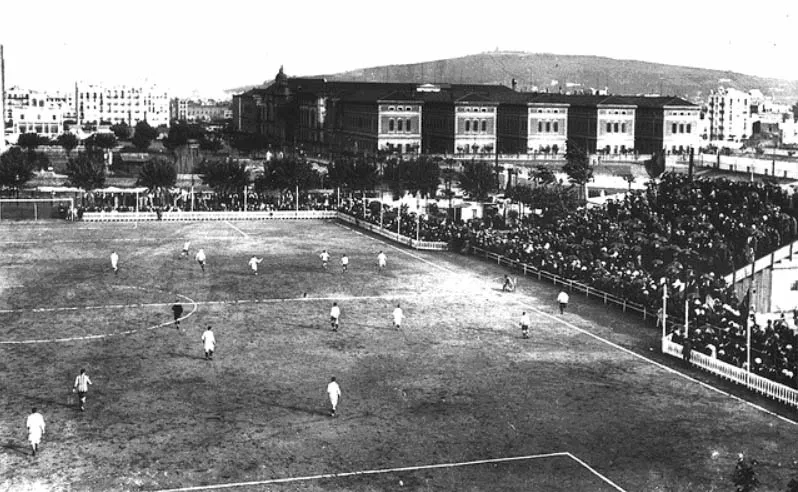
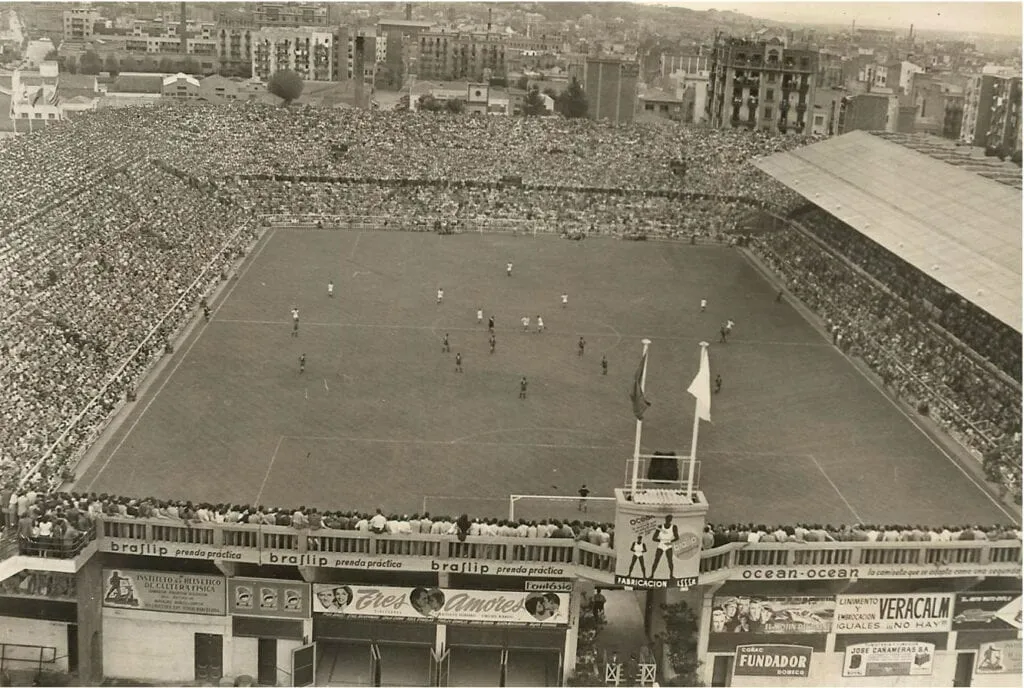
As Barcelona grew and football’s popularity exploded, it became obvious that the existing grounds, like Les Corts, could no longer handle the demand. Matches were regularly sold out, fans spilled onto surrounding streets, and the club leadership began to dream of a stadium big enough to match its ambitions and its growing role as a symbol of Catalan pride. Those dreams would eventually lead to the vast bowl of concrete we now know as Camp Nou.
Building Camp Nou: vision, design & scale
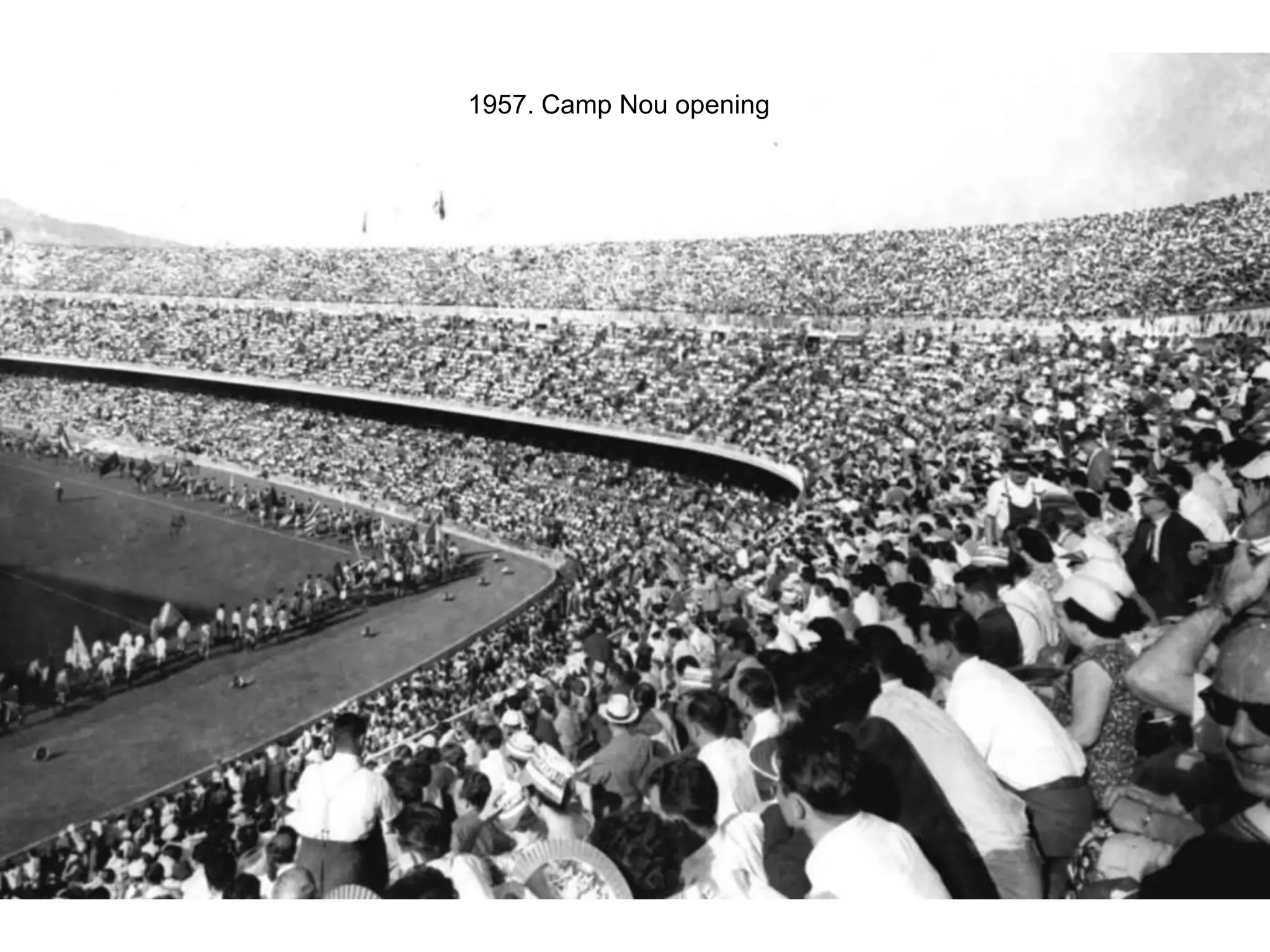
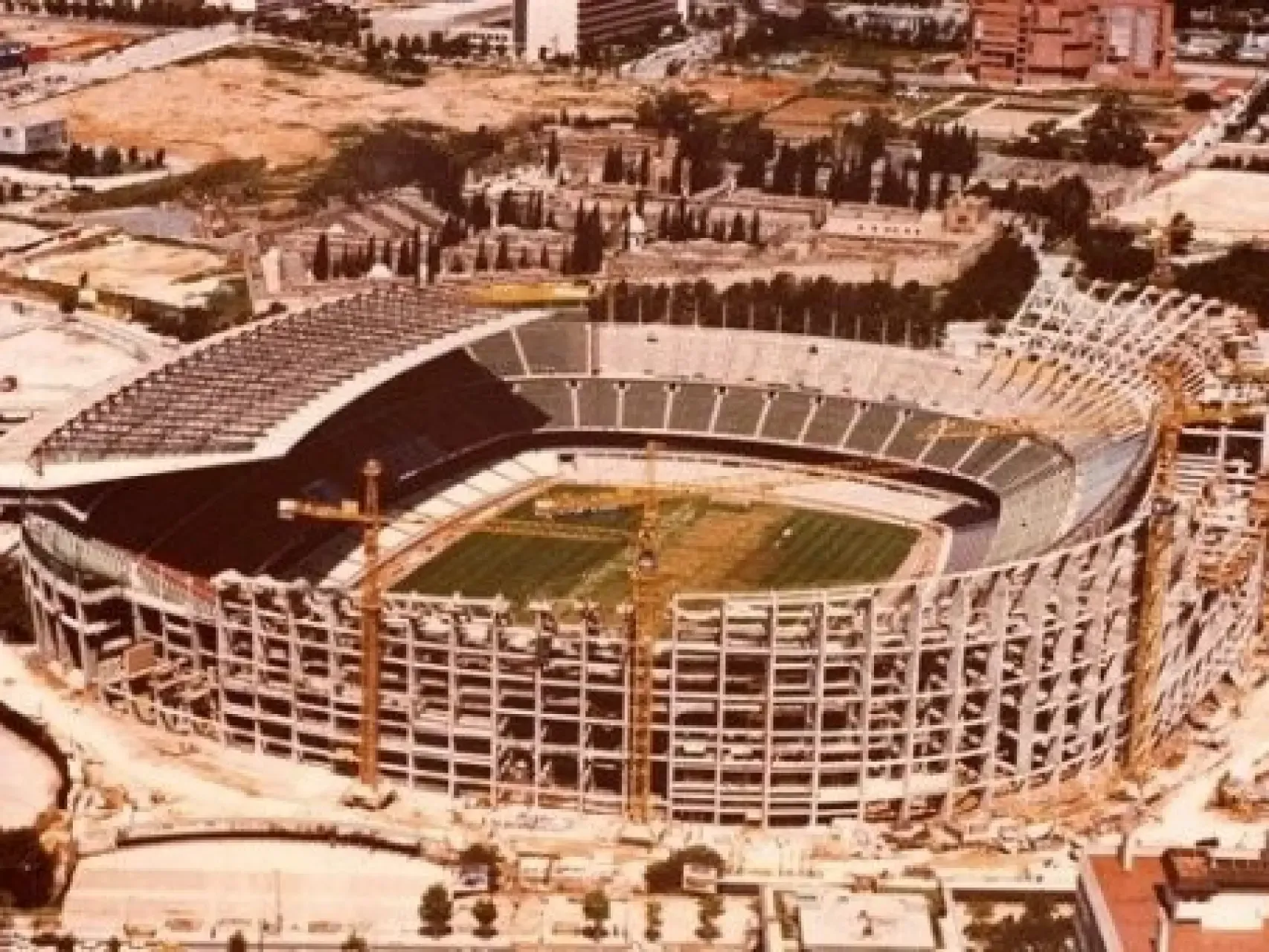
In the 1950s, FC Barcelona embarked on a daring project: to build a stadium unlike anything the city had seen before. The design called for steep stands that would keep fans close to the pitch, a sweeping oval shape, and the capacity to welcome a sea of supporters. Construction was long, complex, and at times controversial, but it represented a determination to match the club’s sporting ambitions with an equally impressive home.
When Camp Nou finally opened in 1957, it stood as one of the largest stadiums in Europe. Over time, expansions, safety updates, and evolving regulations reshaped its profile, but the essence remained the same: towering stands rising above the green rectangle where Barça would play some of its most famous matches. Visitors today still feel the weight of that original vision as they look out over the enormous, open bowl beneath the Mediterranean sky.
Matchday magic and unforgettable nights
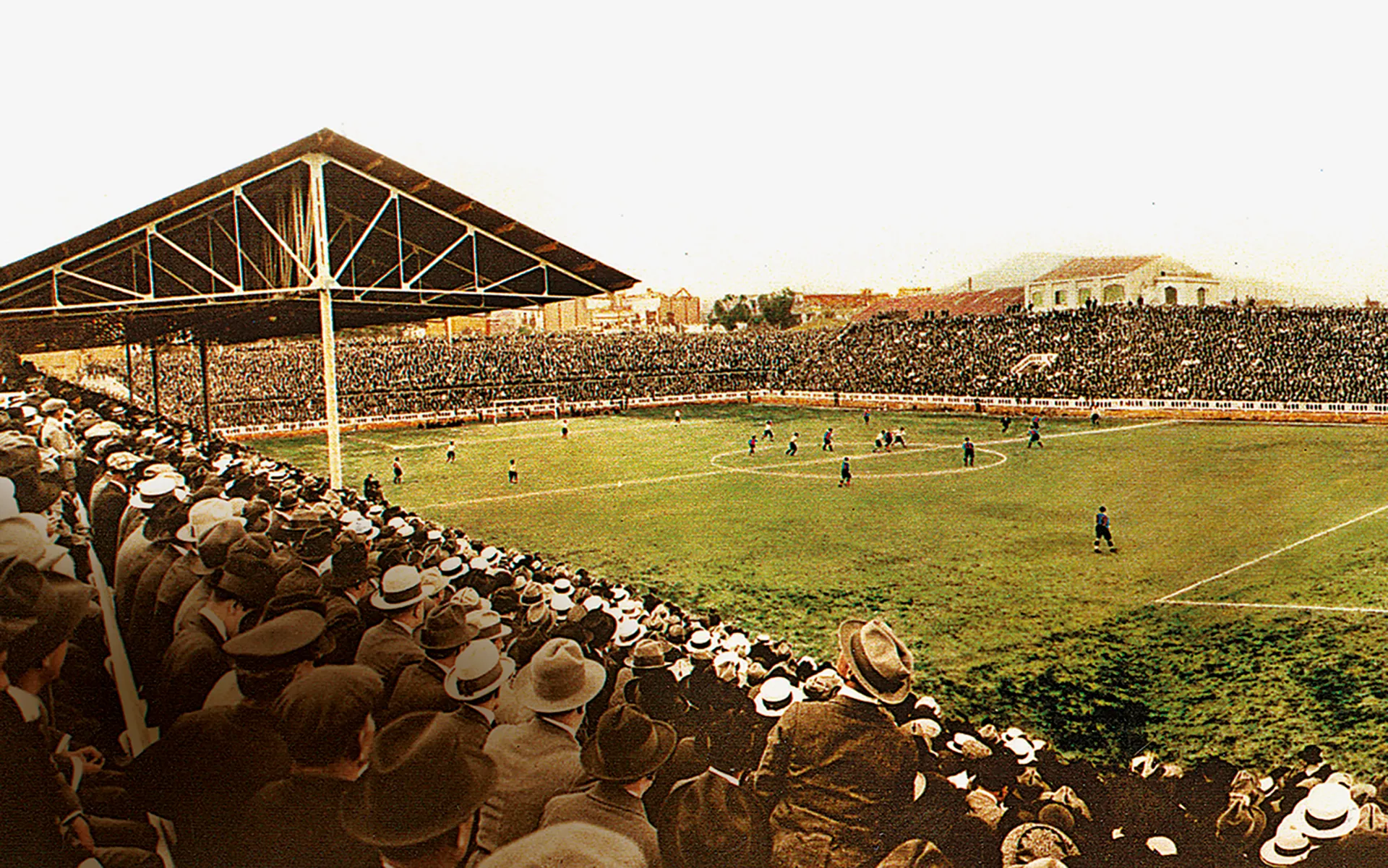
On matchdays, Camp Nou transforms from a quiet concrete shell into a living, breathing organism. Hours before kickoff, supporters begin to arrive, filling nearby streets, metro stations, and cafés with scarves, shirts, and snippets of club anthems. As the teams emerge onto the pitch, the noise builds into a deep roar, and the famous chants echo around the stands, creating a sense of shared anticipation that even first‑time visitors can feel.
Over the decades, the stadium has hosted semi‑final comebacks, title‑deciding clashes, dazzling European nights, and emotional farewells for legends. Each seat, each sector of the ground, holds its own memories — last‑minute goals, heartbreaks, and celebrations that ran long into the Barcelona night. Walking through Camp Nou on a tour, you’re not only seeing a building; you’re stepping into the stage where countless football stories have unfolded.
The Barça Museum and trophy‑laden decades
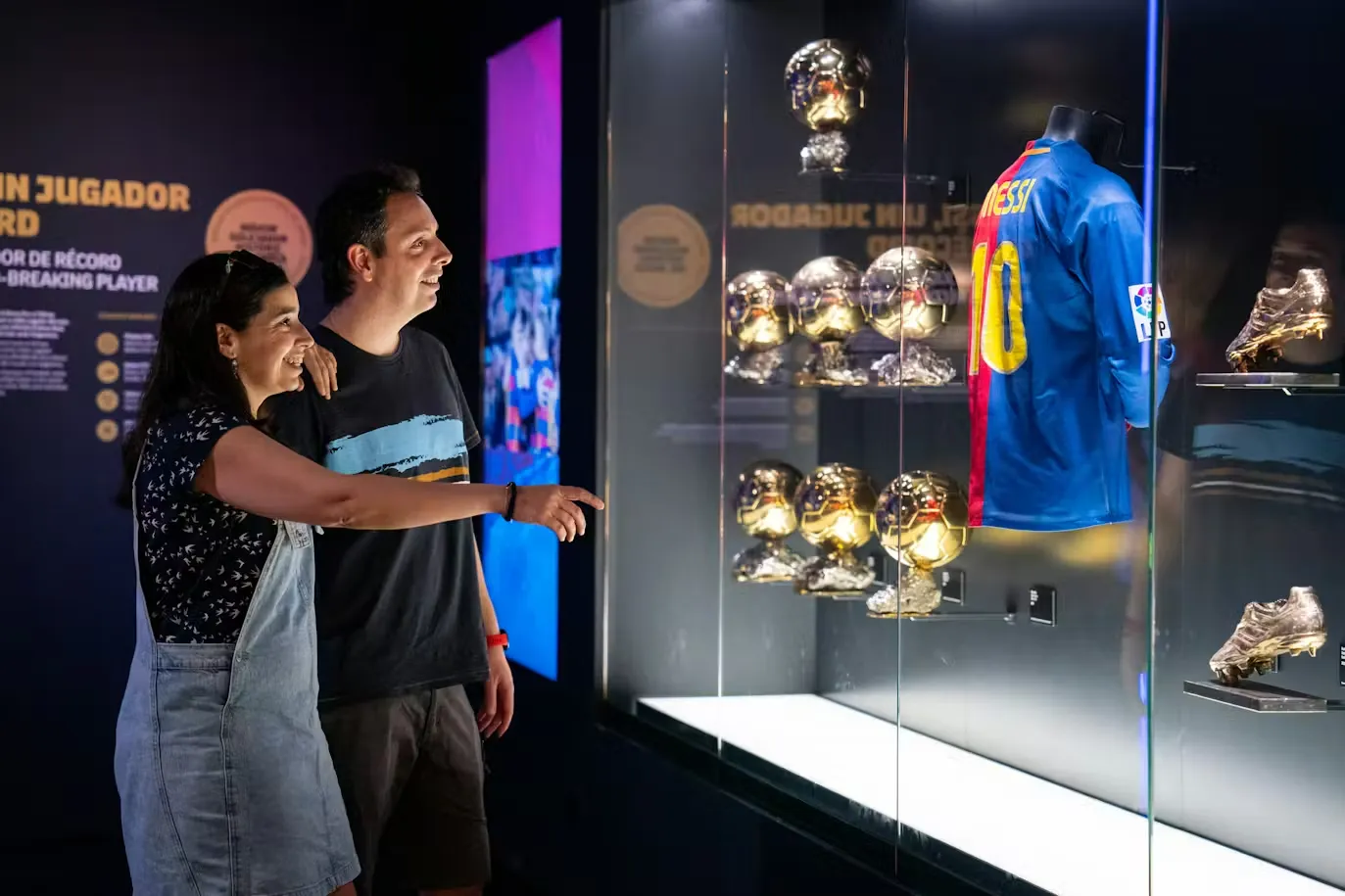
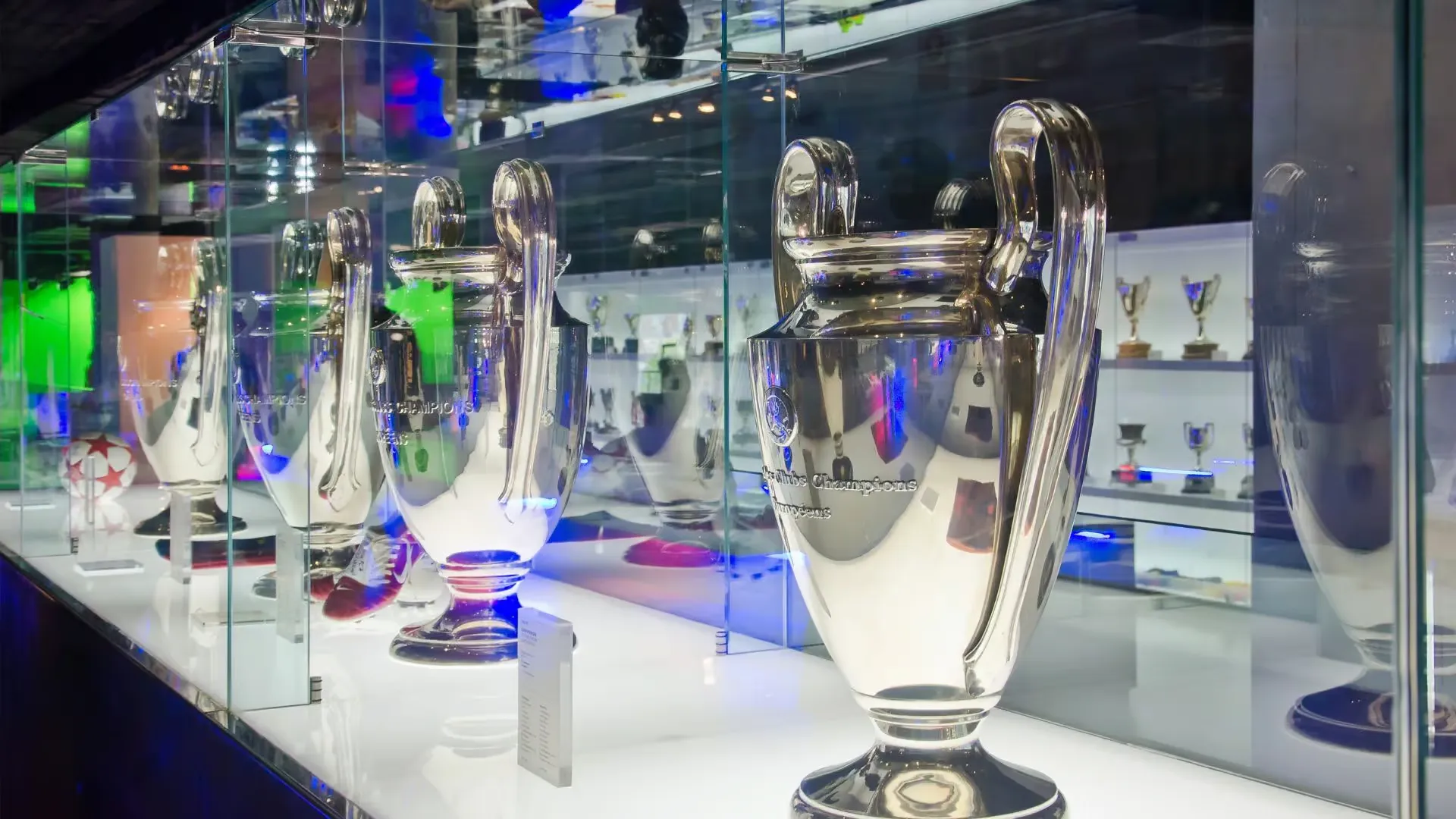
The Barça Museum was created to house the club’s expanding collection of trophies, memorabilia, and historic objects, but it quickly evolved into something more: a storytelling space. Here, domestic league titles sit alongside European Cups, Golden Boots share shelves with vintage shirts, and photographs trace the journey from early line‑ups to modern superstars. Multimedia exhibits replay iconic goals and interviews, allowing visitors to relive defining moments through sight and sound.
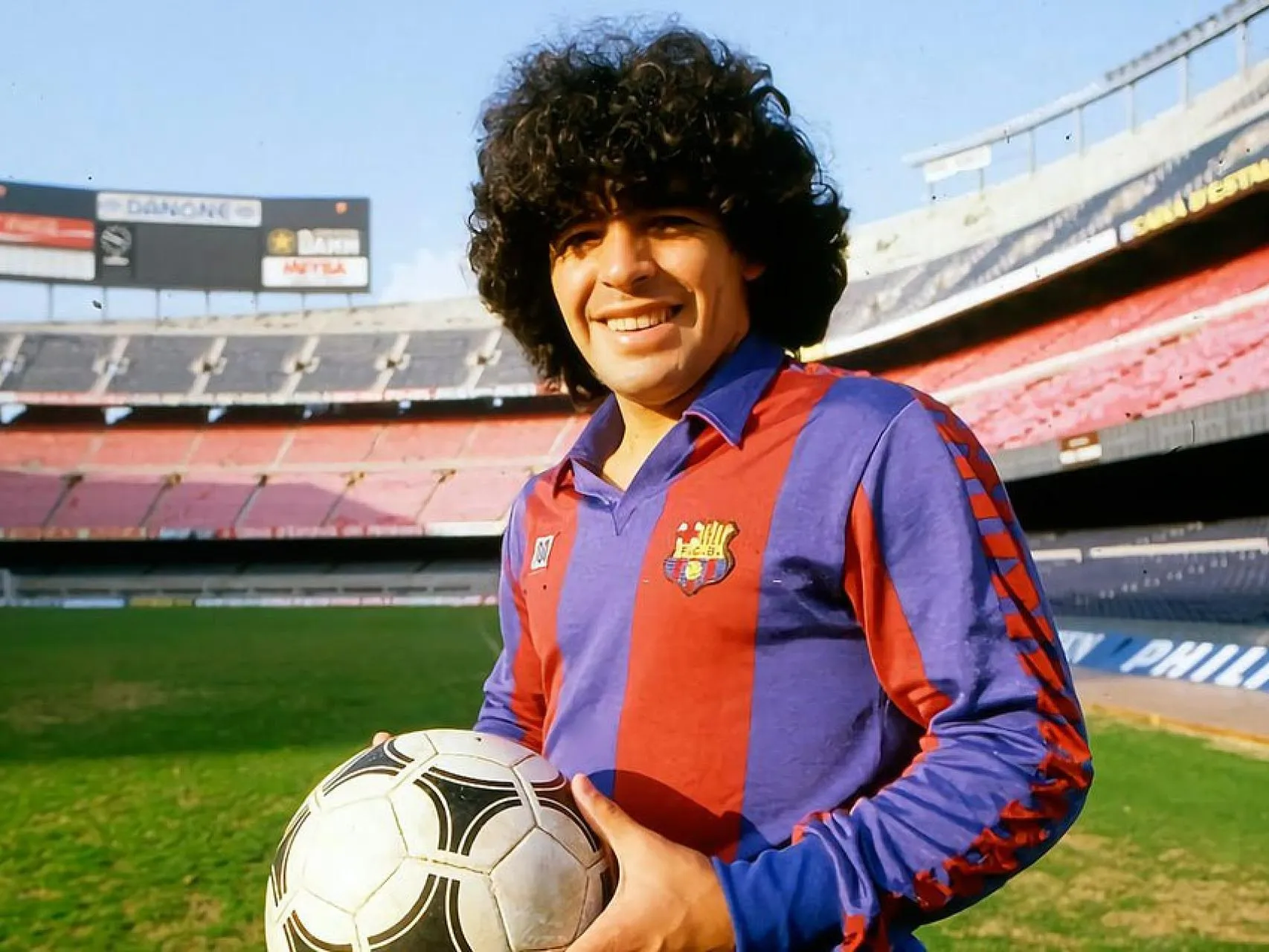
As FC Barcelona moved through eras defined by players like Johan Cruyff, Ronald Koeman, Rivaldo, Ronaldinho, Xavi, Iniesta, and Lionel Messi, the museum had to grow with it. New trophies were added, new records broken, and new stories were woven into the club’s narrative. For many visitors, the museum becomes a kind of time machine, connecting the memories they saw on television or heard about as children with the physical objects shining under the glass.
Fans, culture & Catalan identity
Camp Nou has always been more than a sports venue; it’s a gathering place where local identity, language, and culture find visible expression. For many Catalans, supporting FC Barcelona is not only about following a team but also about feeling part of a broader community. Club symbols, chants, and flags carry layers of history, threading together sport, politics, and everyday life in ways that are felt deeply in the stands.
Walking through the concourses, you’ll see fans of all ages wearing jerseys that span decades, from vintage kits to the latest designs. On big occasions, mosaics appear in the stands, forming messages and patterns in the club’s colors. Even on quieter days, when the stadium is open only to visitors, there’s a sense that you are stepping into a place that belongs as much to its supporters as to the players on the pitch.
Behind the scenes: players’ spaces & routines
One of the most intriguing parts of any stadium tour is the glimpse behind the curtain, into spaces normally reserved for players and staff. In Camp Nou, depending on the route and current works, you may see areas that hint at pre‑match rituals: tactical boards marked with arrows, benches where players prepare in silence, and simple corridors that suddenly open into the blinding light of the pitch.
These backstage zones remind visitors that even world‑class athletes perform in very human environments — places filled with routine, superstition, pressure, and camaraderie. Imagining the team gathered in the changing room before a decisive match or waiting in the tunnel while fans chant above adds a new dimension to what you see on television. It turns an abstract sense of ‘the club’ into something tactile and close.
Renovations, future plans & modernisation
Like all major stadiums, Camp Nou has needed to evolve with time. Safety regulations, new technologies, and changing expectations about comfort have pushed the club to plan ambitious renovation projects. These plans aim to preserve the stadium’s soul while updating seating, accessibility, hospitality areas, and digital infrastructure so that future generations of fans can enjoy the venue in comfort.
Construction phases can mean adapted tour routes, temporary closures of certain sections, or shifts in how visitors move around the stadium. For many guests, seeing works in progress is a reminder that even iconic places are not static monuments, but living projects that respond to new realities. The renovation story is now a chapter in the ongoing history of Camp Nou, bridging the past and the stadium of tomorrow.
Safety, accessibility & visitor comfort
Hosting tens of thousands of people has always demanded careful organization, and visitor safety at Camp Nou is taken seriously. From bag checks at entrances to clear signage inside, the stadium’s layout has been gradually adapted to guide large flows of people smoothly, especially on matchdays. For tour visitors, this translates into well‑marked routes, designated access points, and staff who are used to helping guests from around the world.
Accessibility is an ongoing effort: ramps, lifts, and adapted seating exist in many areas, though the stadium’s age and design can still pose challenges. Visitors with reduced mobility or specific needs are encouraged to plan ahead, check which areas are reachable, and, when necessary, contact official channels for the most up‑to‑date advice. The goal is to make the experience enjoyable and stress‑free, whether you’re a solo traveler or visiting with family.
Events beyond football: concerts & more
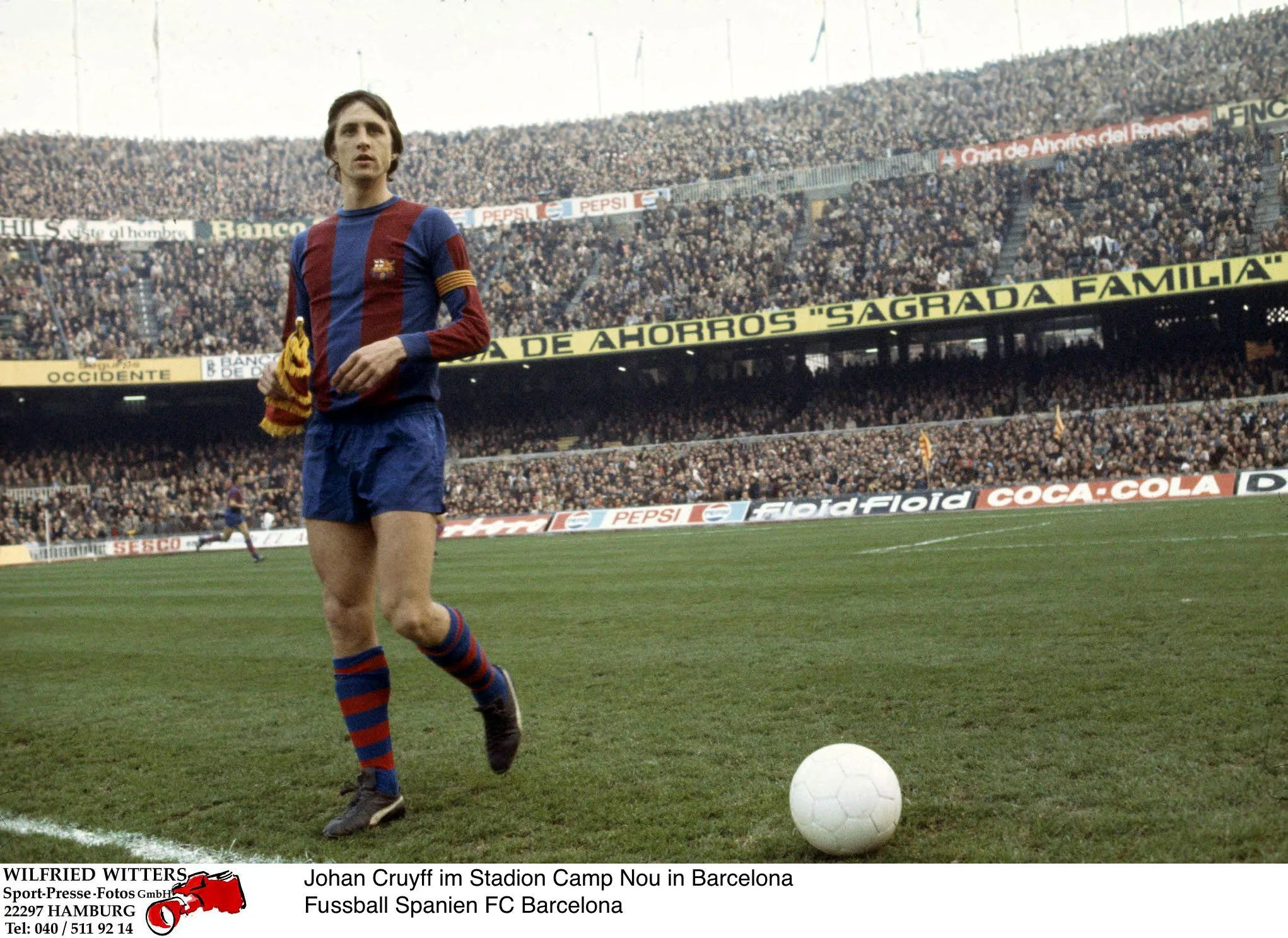
Although football remains the beating heart of Camp Nou, the stadium has occasionally transformed into a stage for major concerts and special events. Under the open sky, international artists have performed in front of tens of thousands of fans, turning the stands into a sea of lights and sound. These nights show how the same structure that holds passionate league matches can just as easily host music, celebration, and different forms of collective emotion.
Beyond headline concerts, the wider complex has accommodated corporate events, presentations, and community activities. For locals, it’s a reminder that the stadium belongs to the city in multiple ways — as a workplace, a meeting point, and a landmark that can change roles depending on the occasion. Even if you visit on a quiet weekday, it’s easy to imagine how the open space of the pitch can be transformed again and again.
Tickets, tours & how visiting evolved
In the early days, attending a match was the main way to experience FC Barcelona up close. Over time, as international interest in the club surged, demand grew for structured stadium visits, even when no game was taking place. The club responded by developing guided tours, then self‑guided routes with audio guides and multimedia elements, gradually turning ‘Camp Nou Experience’ into a key attraction within Barcelona’s tourism landscape.
Today, visitors can choose from multiple ticket types, each offering different depths of access and commentary. Some prefer the freedom of wandering the museum at their own pace, while others enjoy the insights and stories provided by expert guides. As technology advances, new interactive exhibits, augmented reality features, and virtual recreations of historic moments continue to reshape how people discover the club’s past and present.
Preservation, sustainability & neighborhood impact
Maintaining such a large structure in the middle of a residential neighborhood is a delicate balance. Camp Nou must be preserved as a historic venue while also responding to modern expectations around sustainability, energy use, and noise. Projects to update lighting, manage waste, and improve transport connections are all part of the effort to reduce the stadium’s footprint on its surroundings.
For local residents, matchdays and big events mean changes in traffic, noise, and daily rhythms, but also an economic engine that supports shops, cafés, and services. As renovation plans proceed, discussions around how best to integrate the stadium into the neighborhood continue. Visitors who take a moment to look beyond the pitch can see how closely the life of the club is woven into the everyday fabric of Les Corts.
Nearby Barcelona highlights to combine with your visit
A trip to Camp Nou fits easily into a broader exploration of Barcelona. Before or after your stadium visit, you can wander through the leafy streets of Les Corts, stop at local bakeries and bars, or hop back on the metro to reach landmarks like Plaça d’Espanya, Montjuïc, or the modernist avenues around Passeig de Gràcia.
Families often combine the stadium tour with a relaxed afternoon at the beach or a stroll through the city’s historic center. Because Barcelona’s public transport network is dense and well‑connected, returning from the stadium to almost any part of the city is straightforward. Planning a few key stops around your visit can turn a single tour into a full, memorable day.
Why Camp Nou still matters to the world
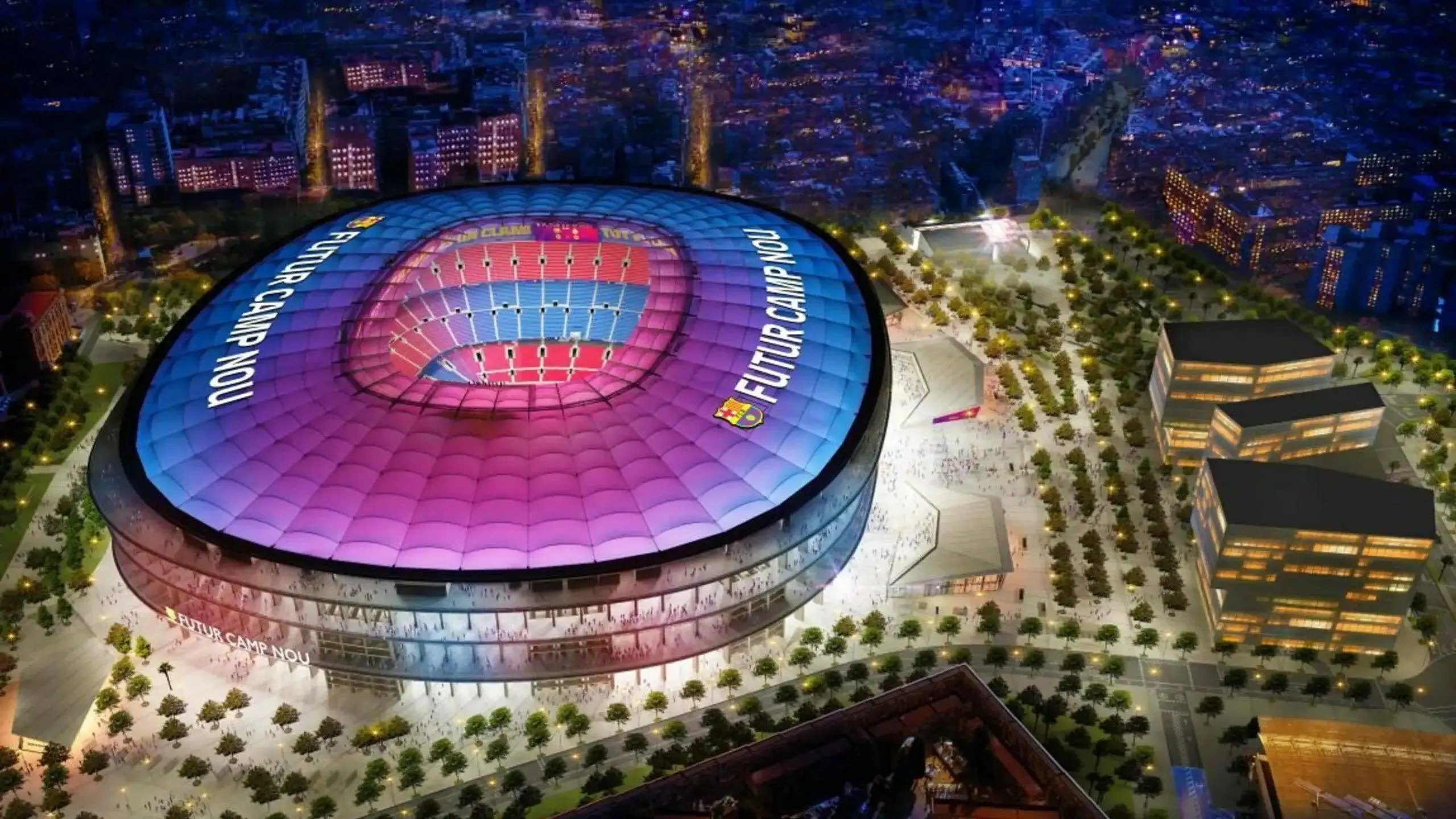
Even in an era of ultra‑modern arenas and global broadcasts, Camp Nou remains a reference point in world football. Its size, its history, and its role in shaping the careers of some of the game’s greatest players have carved a deep groove in the sport’s collective memory. For countless fans, visiting the stadium is less about ticking off a tourist sight and more about finally standing in a place they have imagined since childhood.
As the stadium evolves through renovation and modernization, its story continues to unfold. New generations of supporters, from Barcelona and far beyond, will bring their own songs, banners, and memories. For visitors, walking through Camp Nou is a chance to touch this long, ongoing tale — to feel what it means when a football ground becomes, quite simply, a home.
Table of Contents
Origins of FC Barcelona and its early grounds
FC Barcelona was founded in 1899 by a small group of enthusiasts led by Joan Gamper, long before the idea of Camp Nou existed. In its early decades, the club moved between various grounds, gradually drawing larger crowds and embedding itself in the social fabric of the city. Each modest pitch and stand laid another brick in the club’s identity, as supporters of different backgrounds gathered to watch their team play in blaugrana colors.
As Barcelona grew and football’s popularity exploded, it became obvious that the existing grounds, like Les Corts, could no longer handle the demand. Matches were regularly sold out, fans spilled onto surrounding streets, and the club leadership began to dream of a stadium big enough to match its ambitions and its growing role as a symbol of Catalan pride. Those dreams would eventually lead to the vast bowl of concrete we now know as Camp Nou.
Building Camp Nou: vision, design & scale
In the 1950s, FC Barcelona embarked on a daring project: to build a stadium unlike anything the city had seen before. The design called for steep stands that would keep fans close to the pitch, a sweeping oval shape, and the capacity to welcome a sea of supporters. Construction was long, complex, and at times controversial, but it represented a determination to match the club’s sporting ambitions with an equally impressive home.
When Camp Nou finally opened in 1957, it stood as one of the largest stadiums in Europe. Over time, expansions, safety updates, and evolving regulations reshaped its profile, but the essence remained the same: towering stands rising above the green rectangle where Barça would play some of its most famous matches. Visitors today still feel the weight of that original vision as they look out over the enormous, open bowl beneath the Mediterranean sky.
Matchday magic and unforgettable nights
On matchdays, Camp Nou transforms from a quiet concrete shell into a living, breathing organism. Hours before kickoff, supporters begin to arrive, filling nearby streets, metro stations, and cafés with scarves, shirts, and snippets of club anthems. As the teams emerge onto the pitch, the noise builds into a deep roar, and the famous chants echo around the stands, creating a sense of shared anticipation that even first‑time visitors can feel.
Over the decades, the stadium has hosted semi‑final comebacks, title‑deciding clashes, dazzling European nights, and emotional farewells for legends. Each seat, each sector of the ground, holds its own memories — last‑minute goals, heartbreaks, and celebrations that ran long into the Barcelona night. Walking through Camp Nou on a tour, you’re not only seeing a building; you’re stepping into the stage where countless football stories have unfolded.
The Barça Museum and trophy‑laden decades
The Barça Museum was created to house the club’s expanding collection of trophies, memorabilia, and historic objects, but it quickly evolved into something more: a storytelling space. Here, domestic league titles sit alongside European Cups, Golden Boots share shelves with vintage shirts, and photographs trace the journey from early line‑ups to modern superstars. Multimedia exhibits replay iconic goals and interviews, allowing visitors to relive defining moments through sight and sound.
As FC Barcelona moved through eras defined by players like Johan Cruyff, Ronald Koeman, Rivaldo, Ronaldinho, Xavi, Iniesta, and Lionel Messi, the museum had to grow with it. New trophies were added, new records broken, and new stories were woven into the club’s narrative. For many visitors, the museum becomes a kind of time machine, connecting the memories they saw on television or heard about as children with the physical objects shining under the glass.
Fans, culture & Catalan identity
Camp Nou has always been more than a sports venue; it’s a gathering place where local identity, language, and culture find visible expression. For many Catalans, supporting FC Barcelona is not only about following a team but also about feeling part of a broader community. Club symbols, chants, and flags carry layers of history, threading together sport, politics, and everyday life in ways that are felt deeply in the stands.
Walking through the concourses, you’ll see fans of all ages wearing jerseys that span decades, from vintage kits to the latest designs. On big occasions, mosaics appear in the stands, forming messages and patterns in the club’s colors. Even on quieter days, when the stadium is open only to visitors, there’s a sense that you are stepping into a place that belongs as much to its supporters as to the players on the pitch.
Behind the scenes: players’ spaces & routines
One of the most intriguing parts of any stadium tour is the glimpse behind the curtain, into spaces normally reserved for players and staff. In Camp Nou, depending on the route and current works, you may see areas that hint at pre‑match rituals: tactical boards marked with arrows, benches where players prepare in silence, and simple corridors that suddenly open into the blinding light of the pitch.
These backstage zones remind visitors that even world‑class athletes perform in very human environments — places filled with routine, superstition, pressure, and camaraderie. Imagining the team gathered in the changing room before a decisive match or waiting in the tunnel while fans chant above adds a new dimension to what you see on television. It turns an abstract sense of ‘the club’ into something tactile and close.
Renovations, future plans & modernisation
Like all major stadiums, Camp Nou has needed to evolve with time. Safety regulations, new technologies, and changing expectations about comfort have pushed the club to plan ambitious renovation projects. These plans aim to preserve the stadium’s soul while updating seating, accessibility, hospitality areas, and digital infrastructure so that future generations of fans can enjoy the venue in comfort.
Construction phases can mean adapted tour routes, temporary closures of certain sections, or shifts in how visitors move around the stadium. For many guests, seeing works in progress is a reminder that even iconic places are not static monuments, but living projects that respond to new realities. The renovation story is now a chapter in the ongoing history of Camp Nou, bridging the past and the stadium of tomorrow.
Safety, accessibility & visitor comfort
Hosting tens of thousands of people has always demanded careful organization, and visitor safety at Camp Nou is taken seriously. From bag checks at entrances to clear signage inside, the stadium’s layout has been gradually adapted to guide large flows of people smoothly, especially on matchdays. For tour visitors, this translates into well‑marked routes, designated access points, and staff who are used to helping guests from around the world.
Accessibility is an ongoing effort: ramps, lifts, and adapted seating exist in many areas, though the stadium’s age and design can still pose challenges. Visitors with reduced mobility or specific needs are encouraged to plan ahead, check which areas are reachable, and, when necessary, contact official channels for the most up‑to‑date advice. The goal is to make the experience enjoyable and stress‑free, whether you’re a solo traveler or visiting with family.
Events beyond football: concerts & more
Although football remains the beating heart of Camp Nou, the stadium has occasionally transformed into a stage for major concerts and special events. Under the open sky, international artists have performed in front of tens of thousands of fans, turning the stands into a sea of lights and sound. These nights show how the same structure that holds passionate league matches can just as easily host music, celebration, and different forms of collective emotion.
Beyond headline concerts, the wider complex has accommodated corporate events, presentations, and community activities. For locals, it’s a reminder that the stadium belongs to the city in multiple ways — as a workplace, a meeting point, and a landmark that can change roles depending on the occasion. Even if you visit on a quiet weekday, it’s easy to imagine how the open space of the pitch can be transformed again and again.
Tickets, tours & how visiting evolved
In the early days, attending a match was the main way to experience FC Barcelona up close. Over time, as international interest in the club surged, demand grew for structured stadium visits, even when no game was taking place. The club responded by developing guided tours, then self‑guided routes with audio guides and multimedia elements, gradually turning ‘Camp Nou Experience’ into a key attraction within Barcelona’s tourism landscape.
Today, visitors can choose from multiple ticket types, each offering different depths of access and commentary. Some prefer the freedom of wandering the museum at their own pace, while others enjoy the insights and stories provided by expert guides. As technology advances, new interactive exhibits, augmented reality features, and virtual recreations of historic moments continue to reshape how people discover the club’s past and present.
Preservation, sustainability & neighborhood impact
Maintaining such a large structure in the middle of a residential neighborhood is a delicate balance. Camp Nou must be preserved as a historic venue while also responding to modern expectations around sustainability, energy use, and noise. Projects to update lighting, manage waste, and improve transport connections are all part of the effort to reduce the stadium’s footprint on its surroundings.
For local residents, matchdays and big events mean changes in traffic, noise, and daily rhythms, but also an economic engine that supports shops, cafés, and services. As renovation plans proceed, discussions around how best to integrate the stadium into the neighborhood continue. Visitors who take a moment to look beyond the pitch can see how closely the life of the club is woven into the everyday fabric of Les Corts.
Nearby Barcelona highlights to combine with your visit
A trip to Camp Nou fits easily into a broader exploration of Barcelona. Before or after your stadium visit, you can wander through the leafy streets of Les Corts, stop at local bakeries and bars, or hop back on the metro to reach landmarks like Plaça d’Espanya, Montjuïc, or the modernist avenues around Passeig de Gràcia.
Families often combine the stadium tour with a relaxed afternoon at the beach or a stroll through the city’s historic center. Because Barcelona’s public transport network is dense and well‑connected, returning from the stadium to almost any part of the city is straightforward. Planning a few key stops around your visit can turn a single tour into a full, memorable day.
Why Camp Nou still matters to the world
Even in an era of ultra‑modern arenas and global broadcasts, Camp Nou remains a reference point in world football. Its size, its history, and its role in shaping the careers of some of the game’s greatest players have carved a deep groove in the sport’s collective memory. For countless fans, visiting the stadium is less about ticking off a tourist sight and more about finally standing in a place they have imagined since childhood.
As the stadium evolves through renovation and modernization, its story continues to unfold. New generations of supporters, from Barcelona and far beyond, will bring their own songs, banners, and memories. For visitors, walking through Camp Nou is a chance to touch this long, ongoing tale — to feel what it means when a football ground becomes, quite simply, a home.